
The Forbidden (Makruh) Times to Pray in Islam: Astronomical Rulings Explained
Learn the exact 3 times of the day when voluntary (Nafl) prayers are strictly prohibited in Islam: Sunrise, Solar Zenith (Zawal), and Sunset.
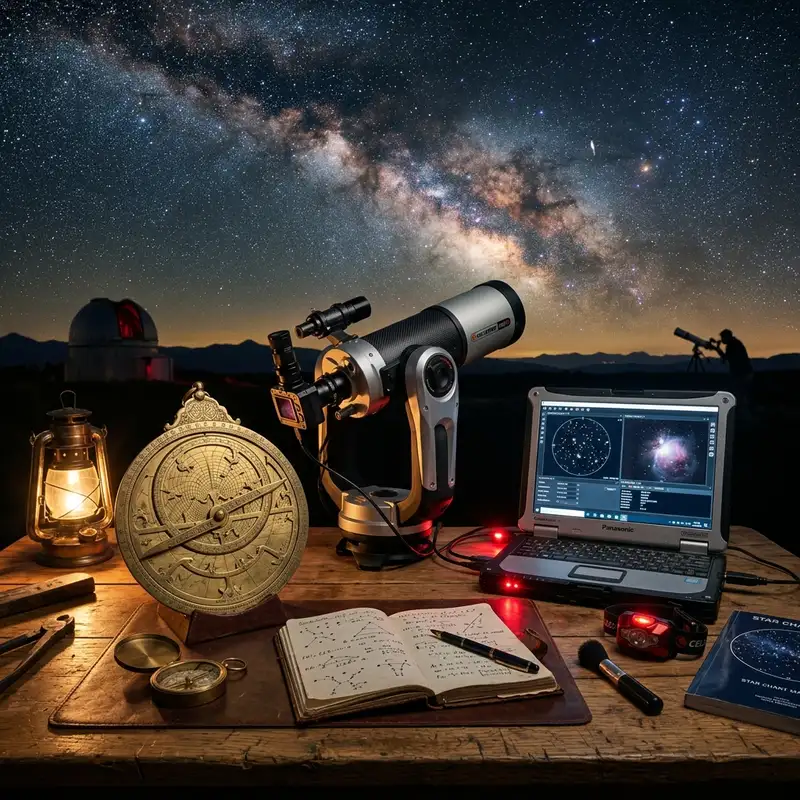
While prayer is the most beloved deed to Allah, Islamic jurisprudence specifies certain forbidden times (Awqat al-Nahy / Makruh Tahrimi) during which offering voluntary (Nafl) prayers is strictly impermissible.
1. The 3 Strictly Forbidden Times (Based on Sahih Muslim 832)
Uqbah ibn Amir (RA) reported: "There are three times at which the Messenger of Allah (ﷺ) forbade us to pray or to bury our dead:"
- During Sunrise (Shuruq): From the exact moment the sun's top rim breaks the horizon until it has risen above the horizon by the height of a spear (approximately 15 to 20 minutes after sunrise).
- At Solar Midday Peak (Istiwa / Pre-Zawal): When the sun reaches its highest zenith in the sky, lasting roughly 5 to 10 minutes before Dhuhr Adhan enters.
- During Sunset (Ghurub): When the yellow disc of the sun begins dipping below the horizon until it is completely submerged (roughly 15 to 20 minutes before Maghrib).
2. What Can and Cannot Be Prayed During These Times?
- Strictly Prohibited: Voluntary (Nafl) prayers, Tahiyyatul Masjid, or Istikharah prayers.
- Permissible Exceptions:
- If you forgot or slept through Asr, you must pray your obligatory Asr even if the sun is setting.
- Janazah (funeral) prayer if the body arrived unexpectedly and delaying would cause harm.
- Sujud at-Tilawah (prostration of recitation) in certain schools of thought.
3. Frequently Asked Questions (FAQ)
Check Today's Verified Prayer Times in Your City
Access real-time Fajr, Dhuhr, Asr, Maghrib, and Isha times calibrated with GPS coordinates and ISNA standards across 189+ American cities.
Related Islamic Guides & Tools

Check Today's Verified Prayer Times in Your City
Access real-time Fajr, Dhuhr, Asr, Maghrib, and Isha times calibrated with GPS coordinates and ISNA standards across 189+ American cities.